

Essential AV Solutions for Conference Rooms
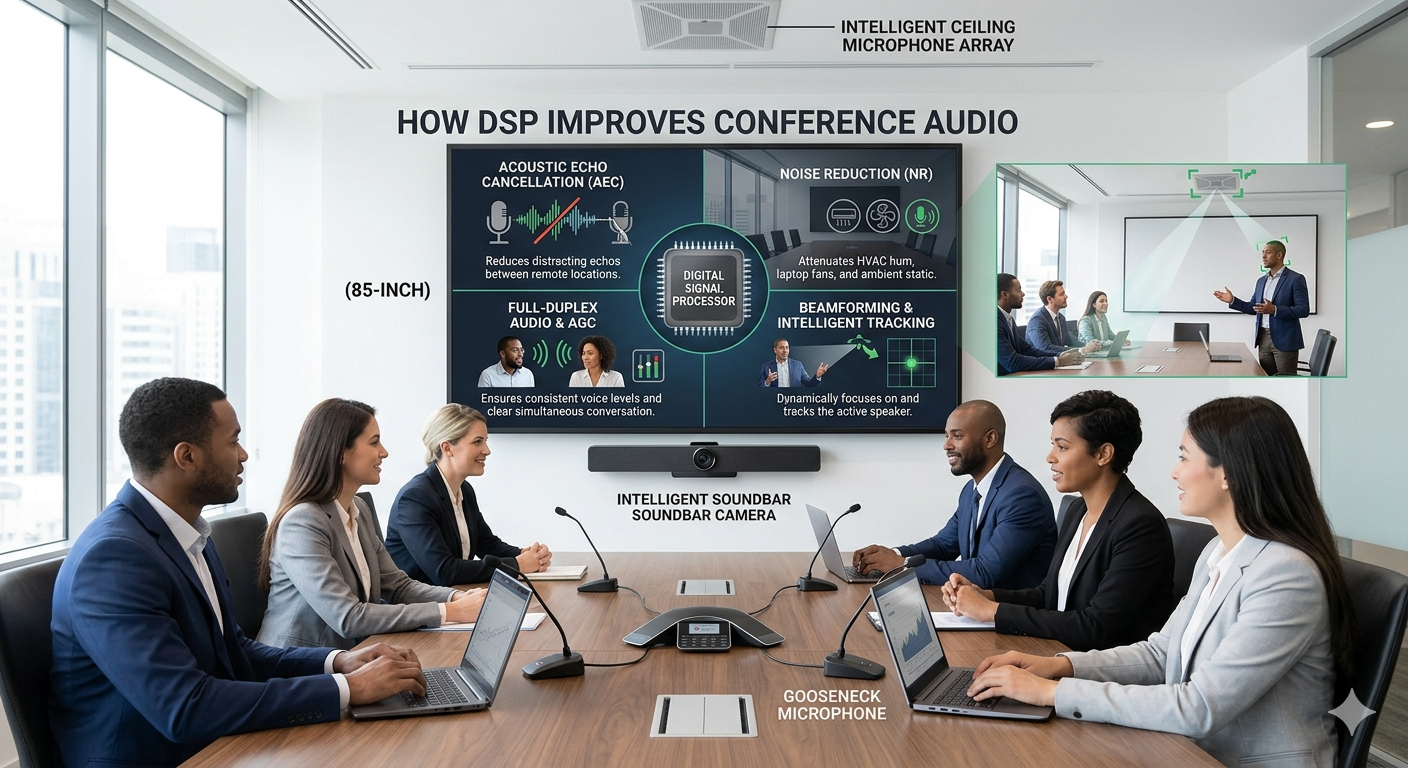
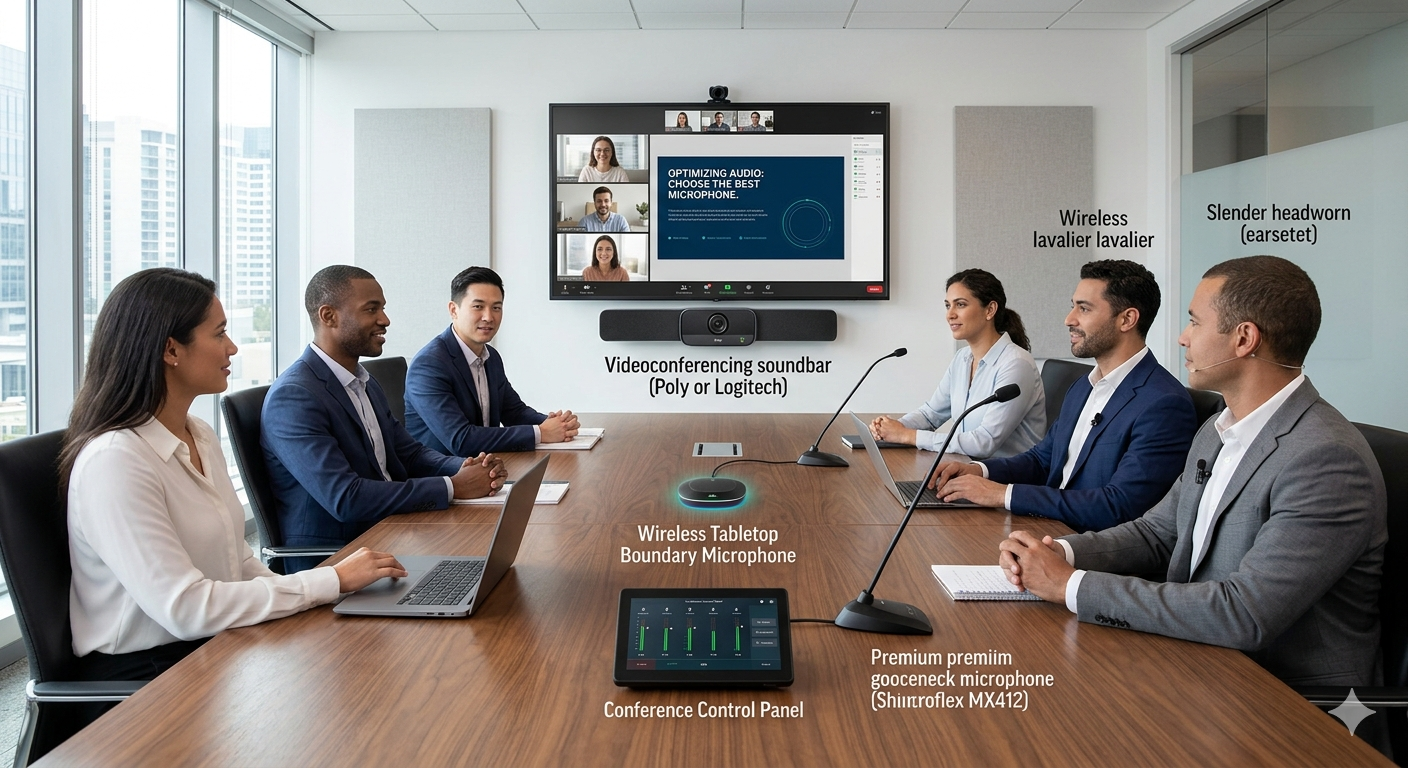
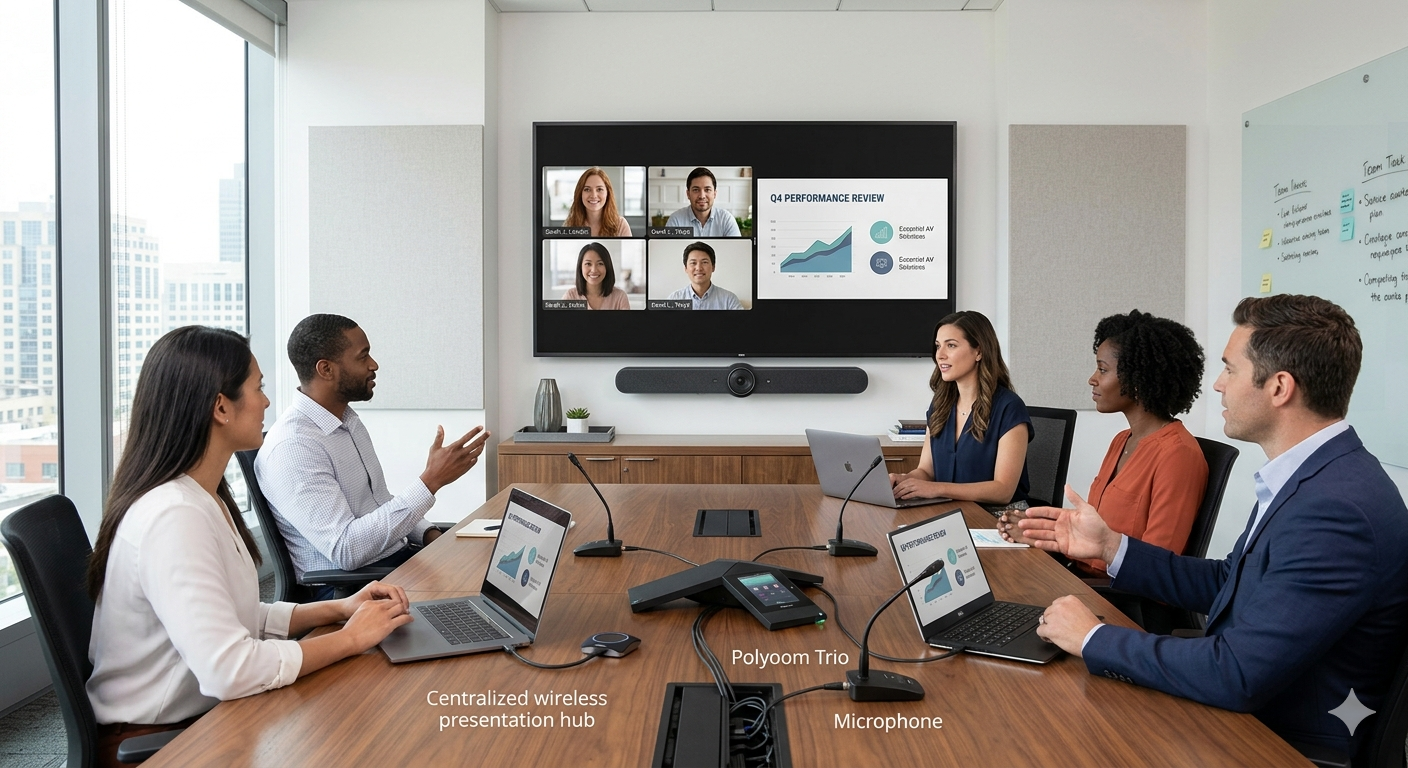
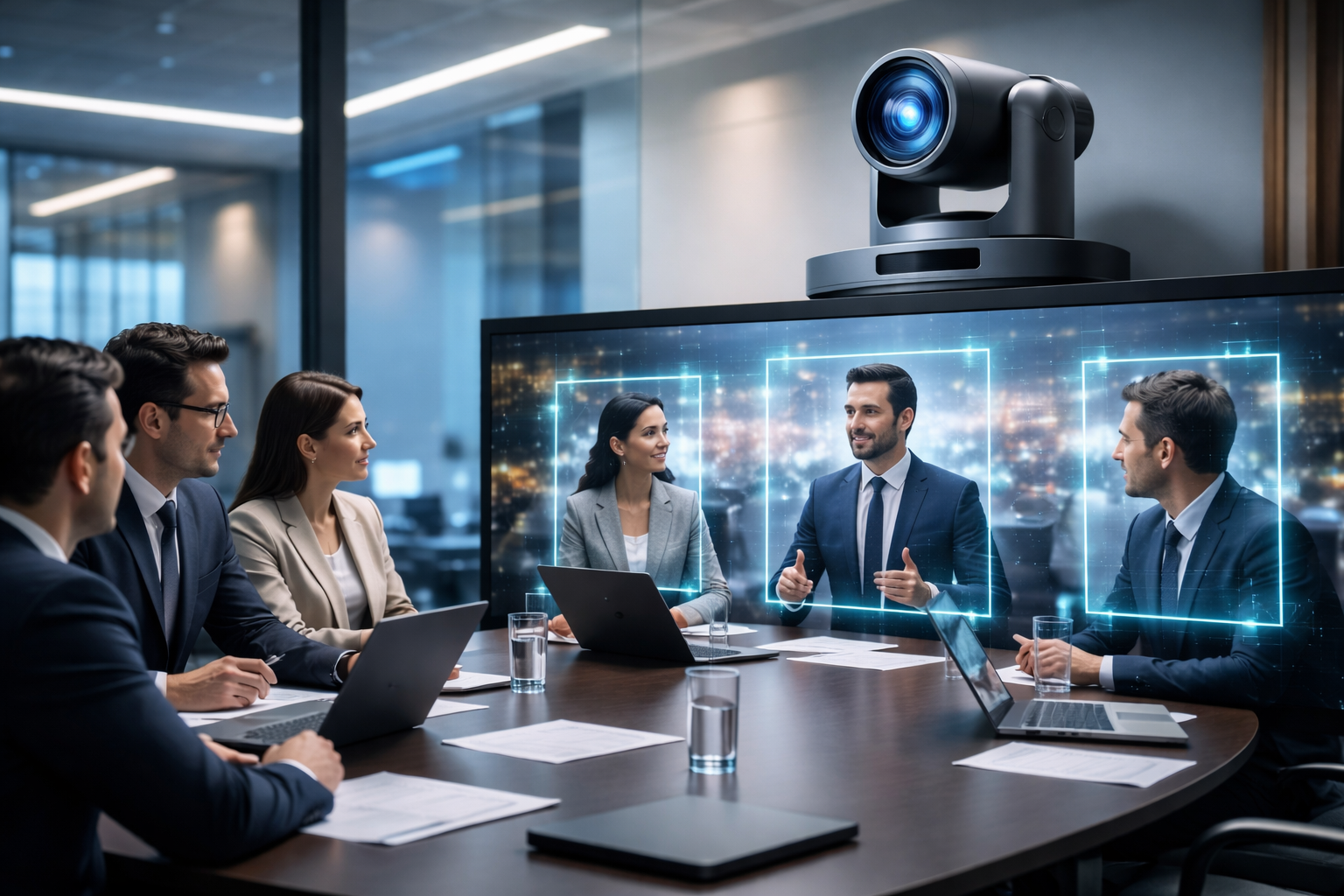
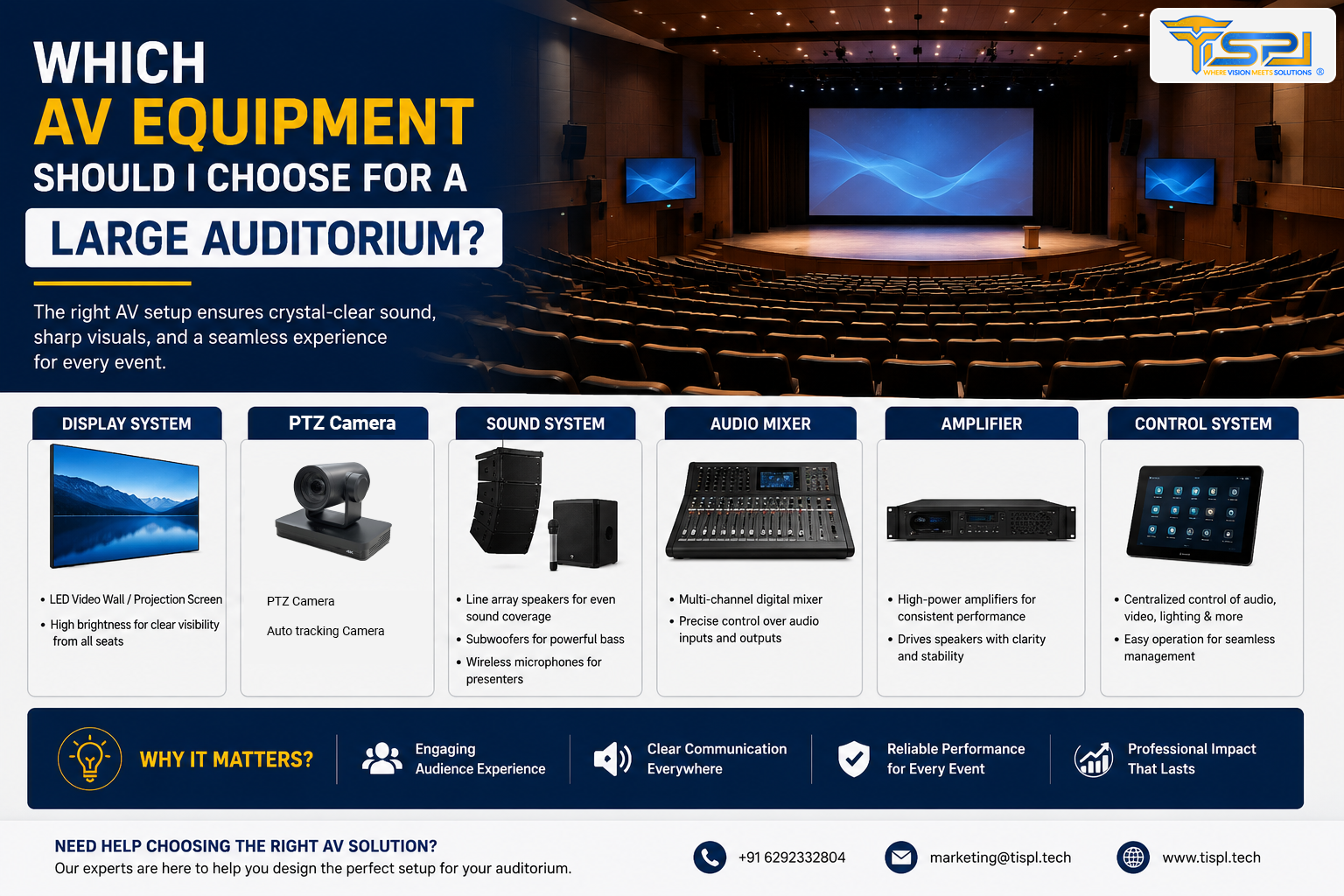
In today's fast-paced business world, having the right audio-visual (AV) solutions in your conference room is crucial. Whether you're hosting a video conference, delivering an important presentation, or facilitating a training session, the right AV equipment can make all the difference. This article will guide you through the essential AV solutions for conference rooms, helping you create an efficient and professional meeting environment. With technology constantly evolving, understanding and integrating the latest AV solutions can give your business a competitive edge, promoting seamless communication and collaboration. What Are Conference Room AV Solutions? Conference room AV solutions encompass a range of technologies designed to enhance communication and collaboration. These include audio systems, video conferencing tools, projectors, displays, and control systems. The goal is to create an environment where ideas can be shared seamlessly and meetings can run smoothly. As businesses increasingly operate on a global scale, effective AV solutions are becoming vital to connect teams across different locations, ensuring everyone is on the same page regardless of geographical boundaries. Furthermore, the right AV solutions can transform a standard meeting room into a dynamic space that fosters creativity and innovation. Why Invest in Quality AV Equipment? Investing in quality AV equipment for your conference room offers numerous benefits. It ensures clear communication, enhances presentations, and provides a professional atmosphere. High-quality AV solutions also minimize technical issues, saving time and frustration during important meetings. Moreover, a well-equipped conference room reflects positively on your organization's image, signaling professionalism and attention to detail to clients and partners. In an age where first impressions matter, having top-notch AV equipment can be a decisive factor in clinching deals and building long-term business relationships. The return on investment is evident not just in improved communication but also in enhanced brand reputation and operational efficiency. Key Components of Conference Room AV Solutions Audio Systems A top-notch audio system is the backbone of any conference room. It ensures everyone can hear and be heard clearly, regardless of their location in the room. Consider investing in high-quality microphones, speakers, and audio processors to deliver crisp and clear sound. Advanced audio systems can also include features like noise cancellation and echo reduction, which are crucial in maintaining sound clarity in larger or acoustically challenging spaces. With the rise of open office plans and multipurpose meeting areas, having an adaptable audio system that can cater to various room configurations is essential. Microphones There are various types of microphones suitable for conference rooms, including tabletop, ceiling-mounted, and wireless options. Choose microphones that capture sound effectively and reduce background noise. Tabletop microphones are ideal for smaller meetings, providing direct voice pick-up, whereas ceiling-mounted options are less obtrusive and work well for larger spaces. Wireless microphones offer flexibility, especially in dynamic meeting environments where participants may need to move around. Selecting the right microphone setup can significantly impact the quality of communication, ensuring every voice is heard clearly without interference or distortion. Speakers Install speakers that provide even sound distribution throughout the room. Ceiling speakers or wall-mounted speakers can be excellent choices, depending on the room's layout. The placement of speakers is critical to avoid dead zones where sound may not reach effectively. For larger conference rooms, consider using a combination of speaker types to ensure consistent audio coverage. Additionally, integrating a sound management system can help balance audio output, adjusting levels automatically based on the number of participants and the room's acoustics, further enhancing the listening experience. Video Conferencing Tools Video conferencing tools have become essential for modern businesses. They enable remote collaboration and ensure that participants can join meetings from anywhere in the world. Beyond basic connectivity, advanced video conferencing solutions offer features such as real-time document collaboration, interactive whiteboarding, and virtual meeting moderation. These tools are designed to recreate the nuances of face-to-face interactions, making remote meetings more engaging and productive. As remote work becomes more prevalent, investing in robust video conferencing infrastructure is crucial to maintaining team cohesion and productivity. Cameras High-definition cameras are a must for video conferencing. Look for cameras with features like auto-focus, pan-tilt-zoom (PTZ) capabilities, and wide-angle lenses to capture everyone in the room. These features ensure that all participants are visible and can communicate effectively without being restricted to a specific area. Auto-tracking cameras can follow speakers as they move, providing a more dynamic viewing experience for remote attendees. Investing in high-quality cameras not only enhances the visual aspect of meetings but also contributes to a more professional and engaging presentation. Video Conferencing Software Choose reliable video conferencing software that integrates seamlessly with your AV equipment. Popular options include Zoom, Microsoft Teams, and Cisco Webex. These platforms offer features like screen sharing, recording, and virtual backgrounds. The software should support high-definition video and audio quality, even under varying network conditions, to ensure uninterrupted communication. Additionally, user-friendly interfaces and compatibility with a range of devices are crucial for ease of use and accessibility, enabling participants to join meetings effortlessly from desktops, laptops, or mobile devices. Displays and Projectors Displays and projectors are vital for presentations and visual collaboration. They allow participants to view content clearly, whether it's a PowerPoint presentation, video, or spreadsheet. High-resolution displays ensure that all visual materials are presented crisply and vividly, capturing the audience's attention. In environments where multiple displays are needed, ensuring they are synchronized to deliver consistent content is essential. With advancements in display technology, interactive touchscreens are also becoming popular, allowing participants to engage directly with content during meetings, fostering collaboration and interaction. Flat Panel Displays Flat panel displays, such as LCD or LED screens, are a popular choice for conference rooms. They offer high-resolution visuals and can be mounted on walls for easy viewing. These displays are ideal for smaller rooms or where space is a constraint, providing clear images without the need for a projector. Additionally, many modern flat panel displays come with smart capabilities, enabling direct connection to the internet and integration with various software applications, enhancing the functionality and interactivity of your conference room setup. Projectors For larger conference rooms, projectors can be a great option. They provide flexibility in screen size and can display content on large screens or walls. Choose a projector with high brightness and resolution for the best results. Modern projectors often include features like wireless connectivity, allowing seamless integration with various devices for easy content sharing. Consider the ambient light conditions of the room when selecting a projector, as this will influence the brightness and contrast needed to ensure clear and vibrant visuals. Integrating AV Control Systems Simplifying Operations An AV control system simplifies the operation of your conference room's AV equipment. It allows you to manage audio, video, lighting, and other devices from a single interface. This reduces the complexity of setting up and managing meetings. By centralizing control, these systems minimize the time spent on troubleshooting and adjusting settings, allowing meetings to start promptly. Moreover, they enhance the user experience by offering intuitive, user-friendly interfaces that can be easily operated even by those with limited technical expertise, ensuring smooth and efficient management of the conference room environment. Features of AV Control Systems AV control systems can include touch panels, remote controls, and even voice-activated assistants. Look for systems that offer intuitive interfaces and customizable settings to suit your specific needs. Advanced control systems may also incorporate automation features, such as adjusting lighting and temperature based on room occupancy or the type of meeting, creating a comfortable environment with minimal manual intervention. The ability to integrate with other smart office technologies further enhances their utility, making them an indispensable part of modern conference room setups. Setting Up Your Conference Room AV Solutions Assessing Your Needs Before purchasing AV equipment, assess your conference room's specific needs. Consider factors like room size, the number of participants, and the types of meetings you typically hold. This will help you choose the right equipment and avoid unnecessary expenses. Conducting a thorough needs analysis ensures that your investment aligns with your business objectives and operational requirements. Consulting with AV professionals can provide valuable insights into the most effective solutions for your unique circumstances, optimizing your setup for maximum impact and efficiency. Professional Installation To ensure optimal performance, consider hiring professionals for the installation of your AV solutions. They can handle cable management, equipment calibration, and system integration, ensuring everything works seamlessly. Professional installation not only guarantees the functionality of your AV setup but also extends the lifespan of your equipment by preventing mishandling and ensuring proper maintenance. Additionally, having experts on hand to train your staff on the new system can facilitate a smoother transition and maximize the utilization of your AV solutions, ensuring you get the most out of your investment. Future-Proofing Your Conference Room AV Solutions Staying Up to Date Technology evolves rapidly, and it's important to future-proof your conference room AV solutions. Stay informed about the latest advancements in AV technology and consider upgrading your equipment as needed to keep your conference room cutting-edge. Regularly reviewing and updating your AV setup can prevent obsolescence and ensure compatibility with new technologies and platforms. Partnering with a reputable AV solutions provider can help you stay ahead of trends and innovations, providing you with expert guidance on when and how to upgrade your systems to maintain a competitive advantage. Scalability Choose AV solutions that are scalable and adaptable to changes in your business needs. This flexibility will allow you to expand your conference room's capabilities without overhauling the entire system. Scalable solutions can accommodate growing teams, evolving meeting formats, and new communication technologies, ensuring your conference room remains relevant and effective. By planning for scalability from the outset, you can avoid costly upgrades and reconfigurations, maintaining a seamless and efficient meeting environment as your organization grows and changes. Conclusion In conclusion, investing in essential AV solutions for your conference room is a smart move for any business. With the right audio systems, video conferencing tools, displays, and control systems, you can create a professional and efficient meeting environment. By understanding your needs, choosing quality equipment, and planning for the future, you'll ensure that your conference room remains a valuable asset for years to come. As businesses strive to enhance productivity and collaboration, a well-equipped conference room becomes a strategic tool in achieving these goals, fostering a culture of innovation and success.